




Wildlife
But, despite analyzes carried out since the summer of 2014 by the State services, no one can say today why the Rebenty fauna, including protected species such as the Pyrenees desman or the otter, disappears. This small paradise nestled in the valley of the country of Sault is it a victim of major pollution?
Without presage of the continuation of the studies and subsequent analyzes, the presence of cresols in the water of Rébenty would tend to demonstrate a pollution related to a human activity, industrial or not.
Some mammals
The Pyrenees Desman
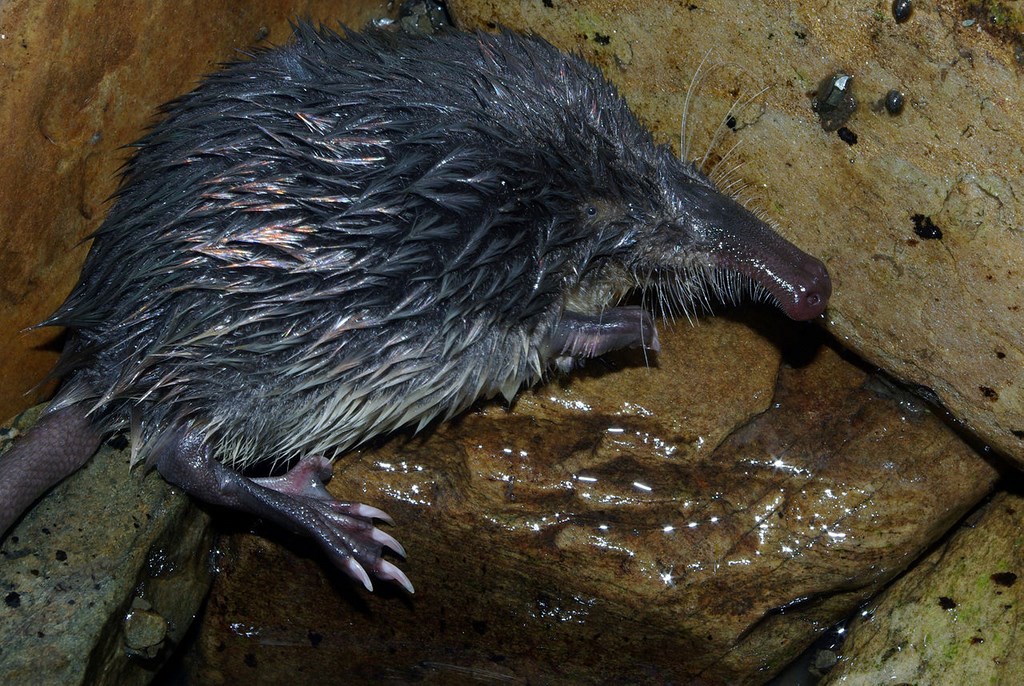
It is a semi-aquatic insectivore, living near torrents and manners essentially nocturnal. He is nicknamed a trumpet rat because of the shape of his muzzle. The Desman anatomically resembles other animals such as the rat, good swimmer, mole, equipped to dig the earth, or sharp-nosed shrew, sniffing insects.
The deer
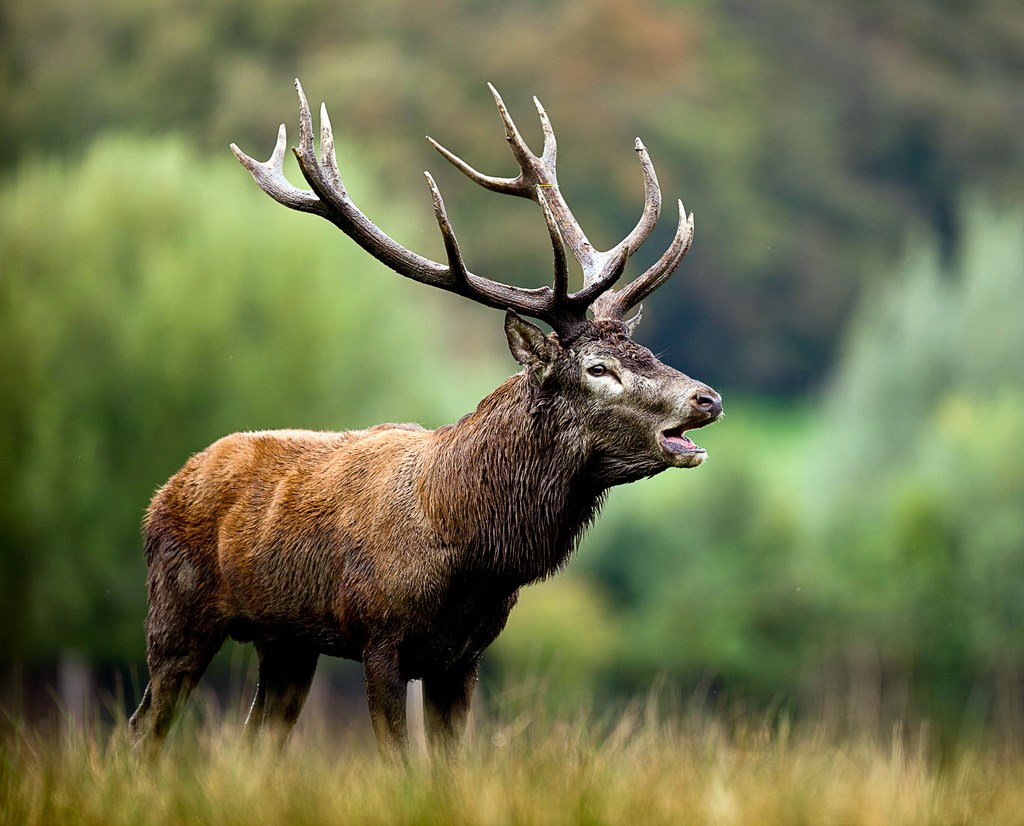
From September 15 to October 15, the deer slab echoes all around the village. At dusk, or in the early morning, we can see the deer and deer coming down or coming back from the Rebenty ..
The sanglie
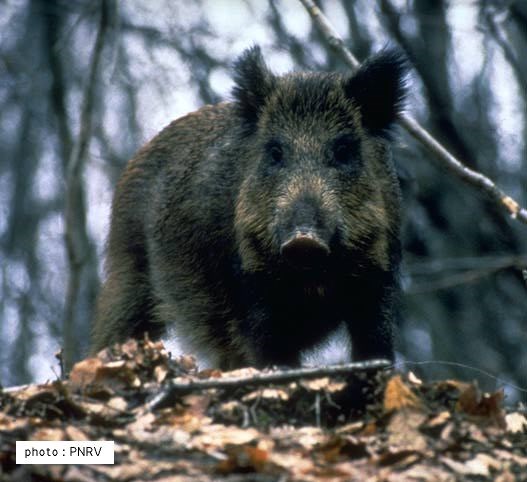
This abundantly hunted species is also considered an engineering species, capable of developing strategies for adapting to hunting pressure, which sometimes gives it an invasive character. In the upper valley of the Aude, he is particularly prolific ...
Qome insects
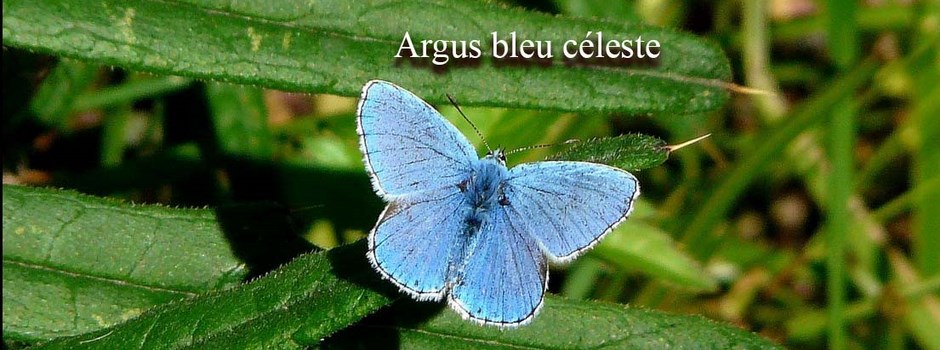
Blue argus
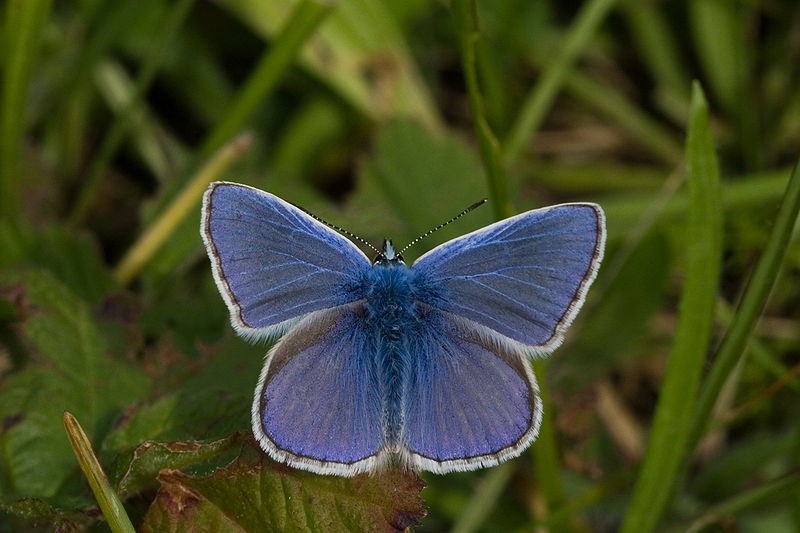
Azure, Argus, these are small blue butterflies that fly pretty fast flower and flower. There are many species and determining them is not easy.
The Blue Hoplie
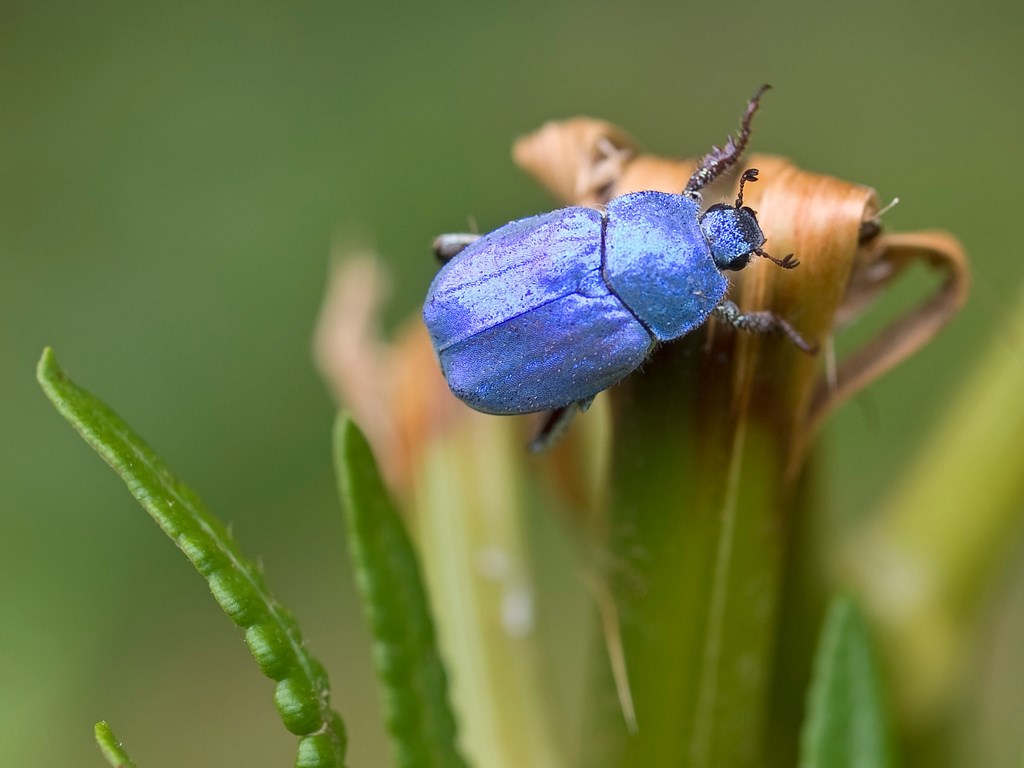
Hoplia coerulea or Hoplia caerulea, the blue hoplie, is a beetle beetle of the beetle family. The male is remarkable for its metallic blue color, the more discreet female, is brownish in color. It is a fairly common insect in summer. It is found along the banks of Rébenty.
Cordulegaster bidentata Selys
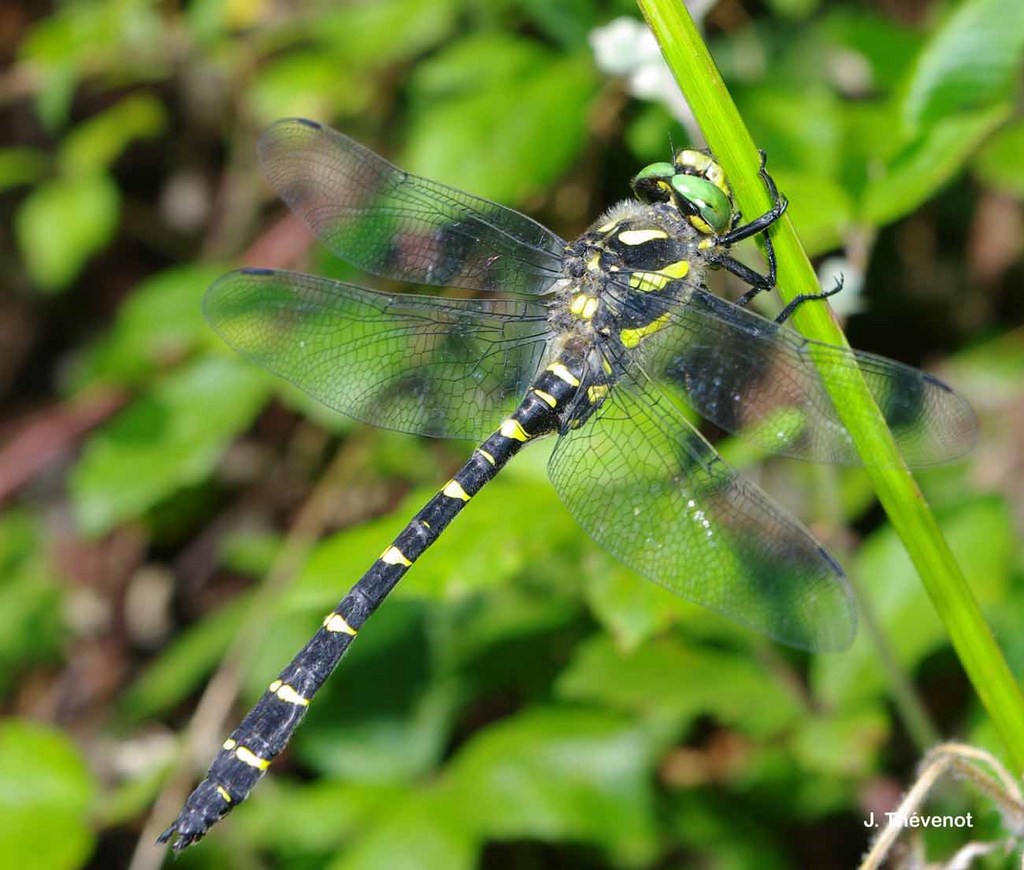
The bidentate Cordulégastre, is a dragonfly belonging to the family of Cordulegastridae. This anisopteran is under threat and has recently been placed on the IUCN World Red List in the NT category.
Some raptors
The Royal Eagle
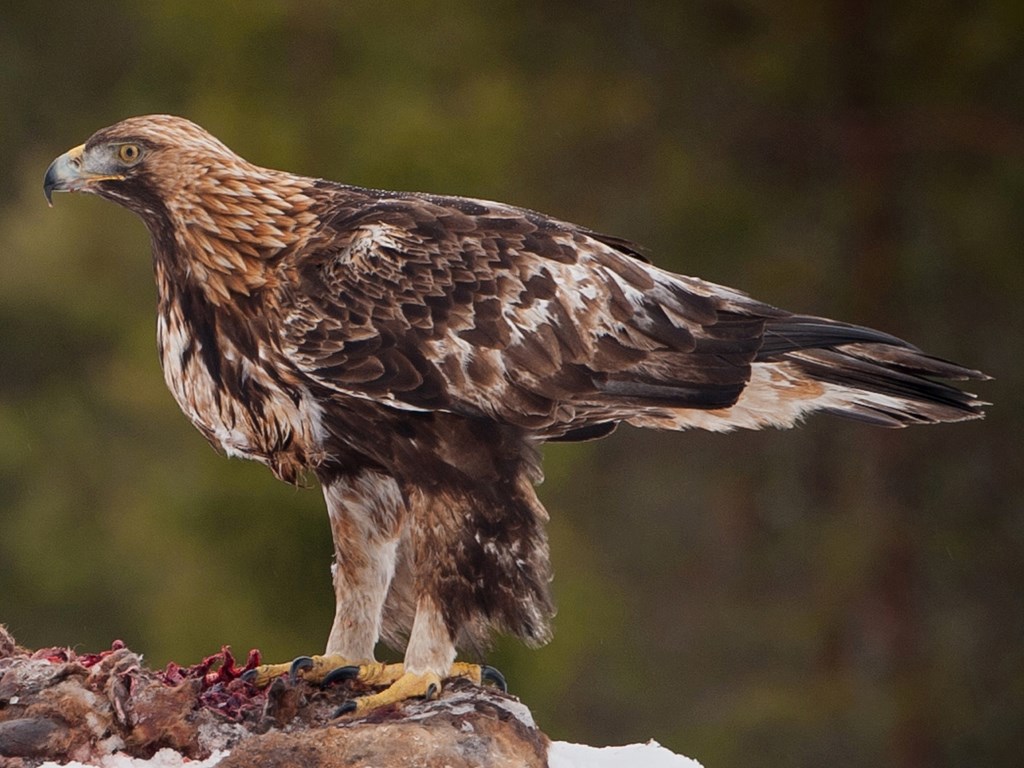
The adult is easily recognized by the color of his uniformly brown plumage between the underside and the upper part of the body and golden feathers on the nape of the neck and head. In the Aude, less than fifteen pairs breed in the Corbières, the Aube Pyrenees, the Black Mountain and the Minervois.
The vulture percnoptère
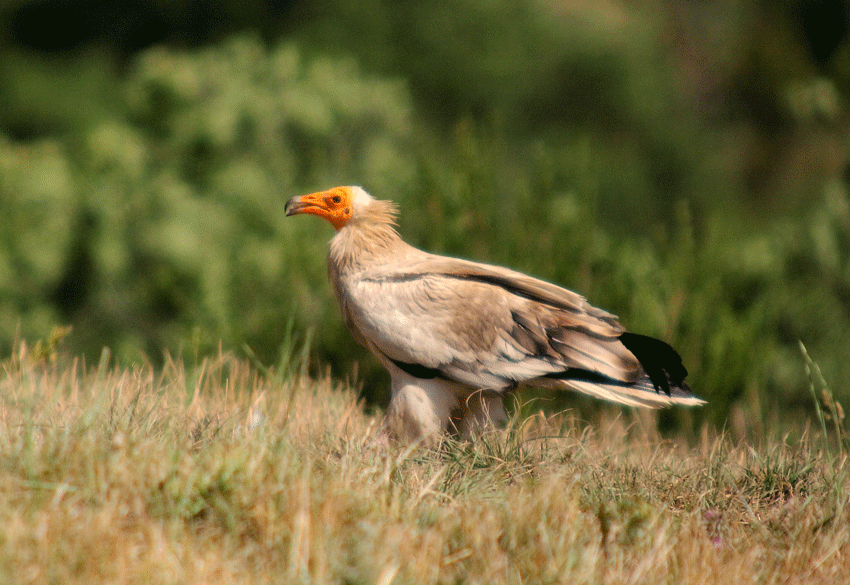
Adults, this little vulture is easy to recognize with its black and white plumage and its fine head often ruffled, with the yellow-gold face In the Aude, the species resettled in 1992-1994 on the Plateau de Sault, then in 1997 in the Corbières
The owl of Tangmalm
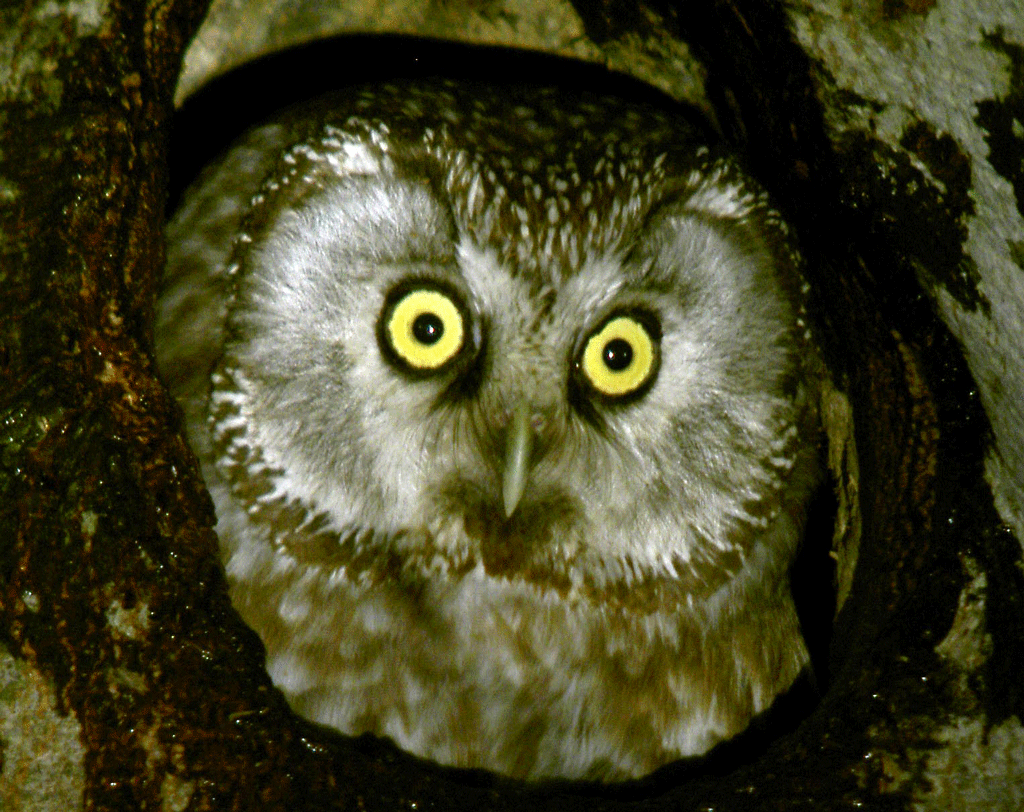
Strictly nocturnal, the Tengmalm Owl is characterized by a large head with a white-tinged forehead and a pale facial disc with a blackish outline. His yellow eyes with black pupils are surmounted by two whitish eyebrows giving him an astonished expression. The Tengmalm's Owl is only known with certainty for about forty years in the Pyrenees and about twenty in its part audoise where it is limited to the afforestation of the Pays de Sault, mainly between 1 300 and 1 800 m.